livewall

Why wait to build until the design is done?

By Mathijs Bontje, Head of Operations at livewall

Research first, then design, then build, and only then go live. For years, that was how platforms got made. But according to Head of Operations Mathijs Bontje, development no longer has to wait for the design to be finished. He explains how AI tooling lets those phases overlap, what that asks of a team, and why "done" isn't really the right benchmark.

Share & copy

Service

Digital products

Bases digitales sólidas y escalables que dan a las marcas una forma directa y propia de conectar.

Más sobre Digital products
Media item 1

"Done" is the wrong question

I keep coming back to it: "done" isn't really the right benchmark for a platform. Not before launch, and not after it either.

This piece is about the first of those. About what happens when you stop waiting for the design to be completely finished before you start building.

For a long time, platform development was fairly linear. First figure out what's needed, then design, then build, and finally go live. Each phase waited neatly for the one before it. Which makes sense: you want to know what you're going to build before you start.

But I notice we're letting go of that order more and more.

What's possible now

AI tooling makes it much easier to let those steps overlap. While we're still having conversations, gathering needs and making choices, we can already build something that works.

Not as a final product, but as something to learn from.

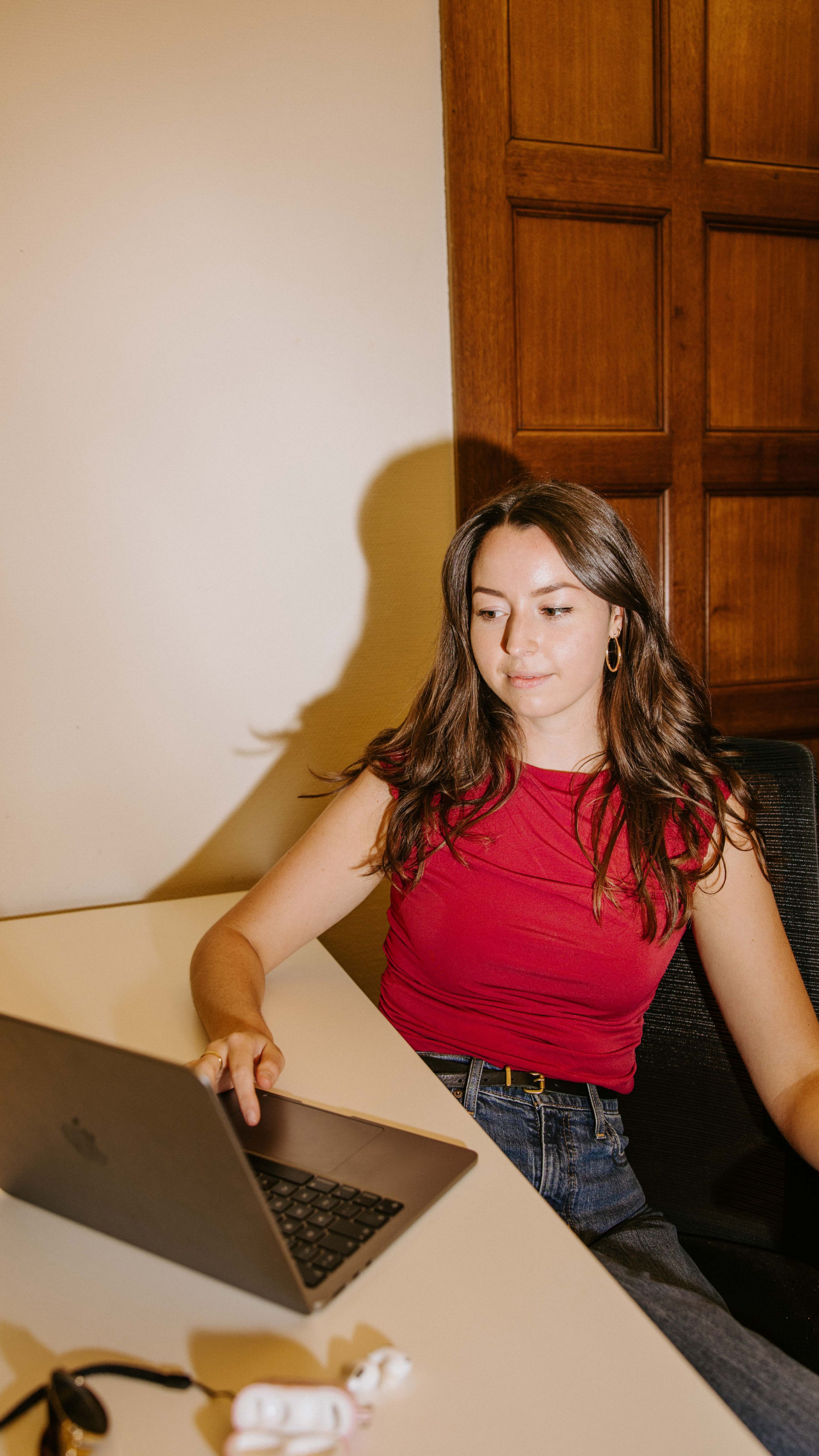
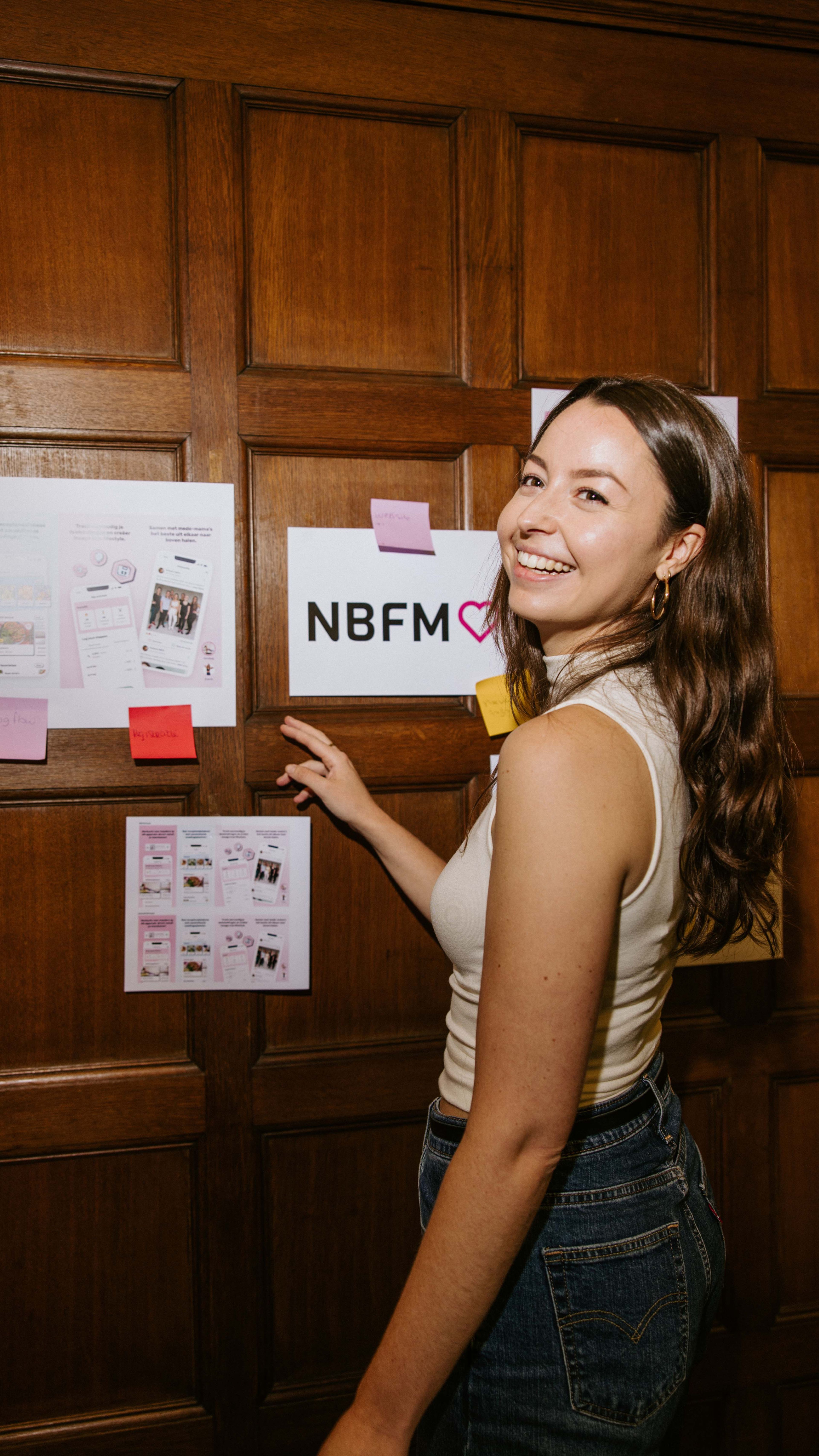
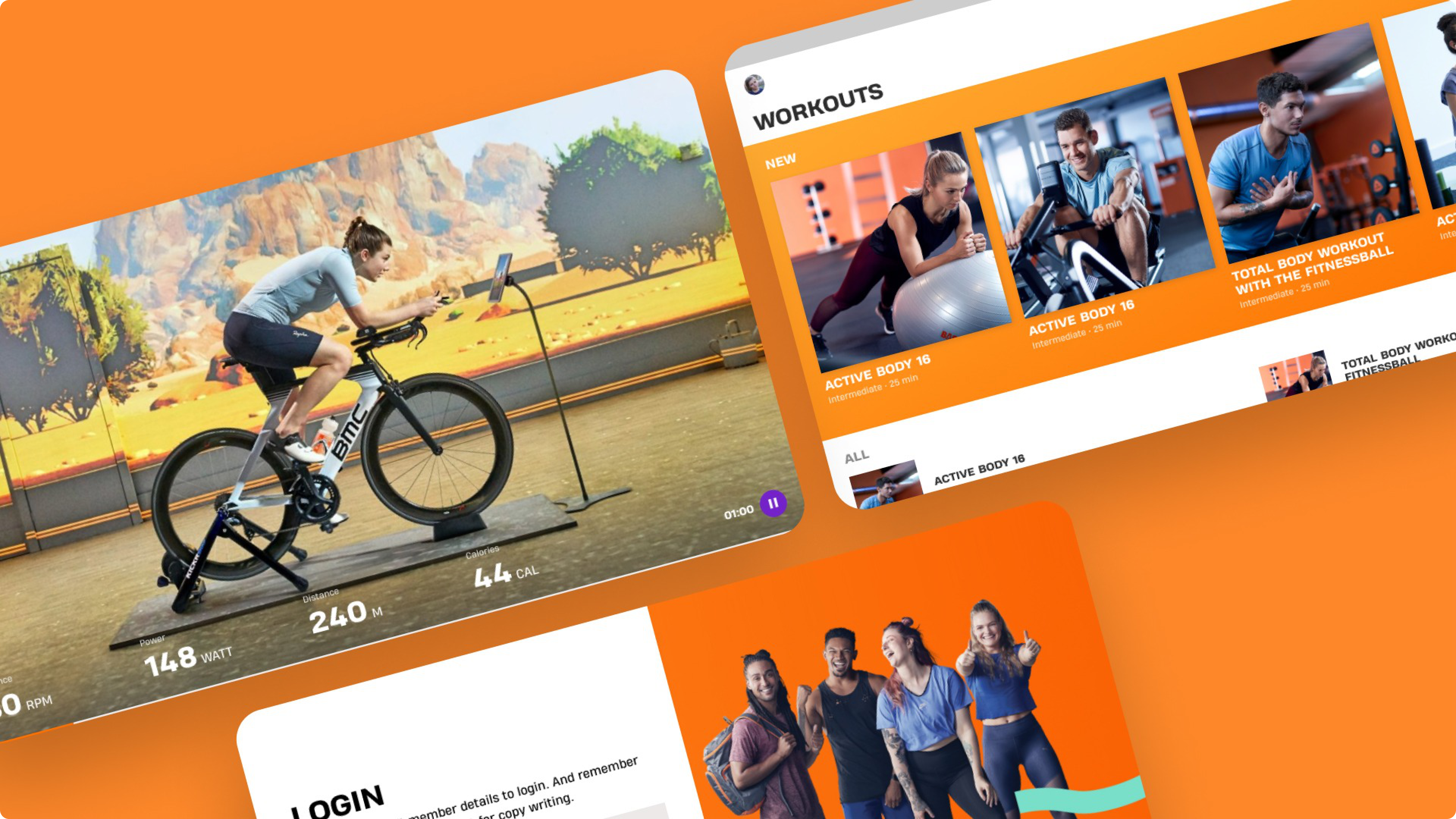
I see it happening in several places within our team. Our designer Evi Franken, for example, is working with developers on a working version of the product at an ever earlier stage. Not creating a complete design first and handing it over afterwards, but putting something together and immediately testing whether it works in practice.

That way, a designer sees sooner what works well technically, and development sees sooner what a particular choice means for usability. And early on in the project, the client already has something in their hands that they can actually click through.

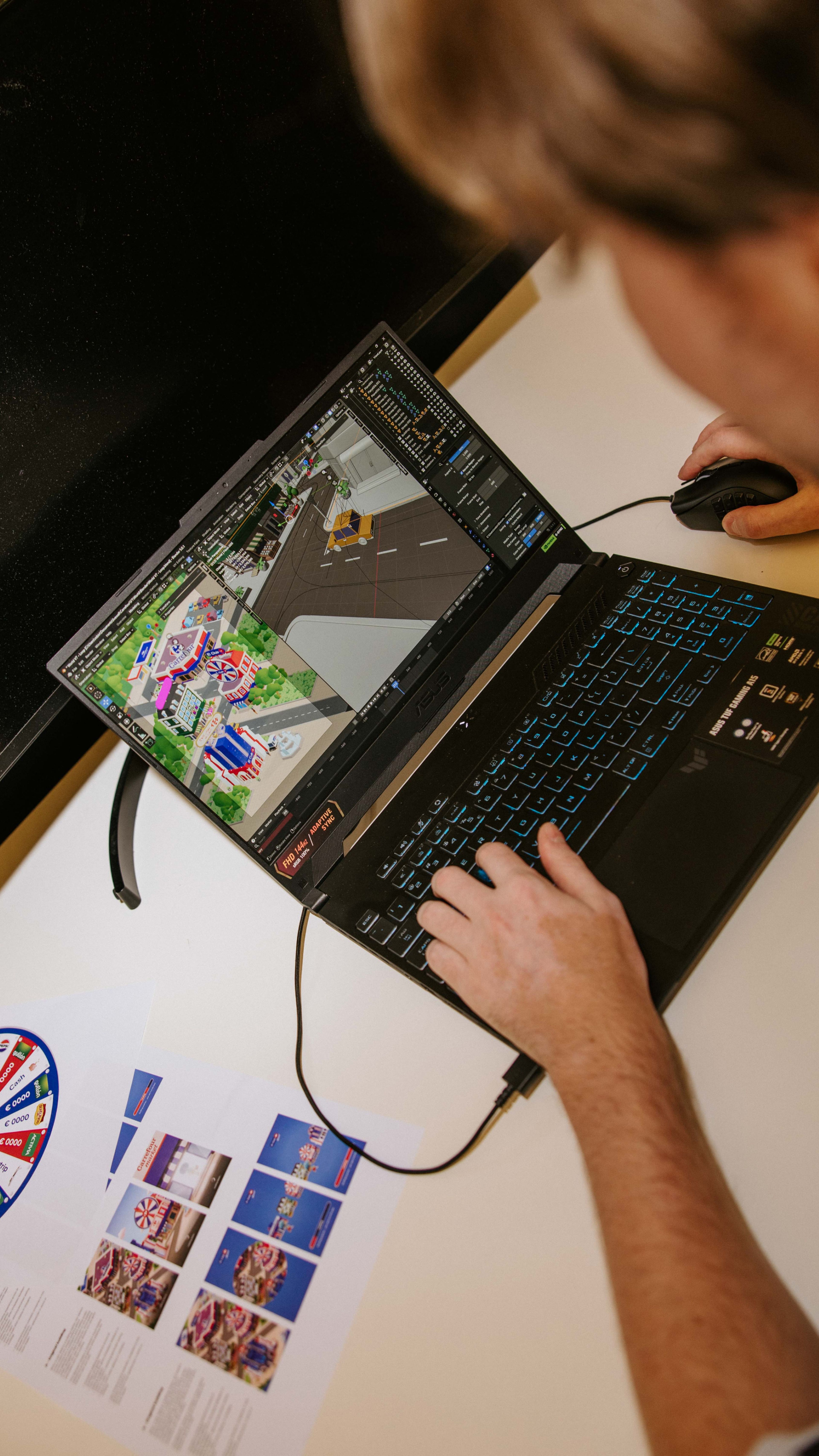
With Roy van Zoelen, one of our developers, I see something similar from the other side. These days he works largely from a chat conversation with an AI agent. He barely types any code himself anymore. He discusses what needs to be built, and the agent writes the code, tests it and takes screenshots. His role is shifting more and more from maker to director.

He told me recently that a client can discuss an idea on Monday and click through a working version on Tuesday.

And that's a good thing.

Media item 1
Media item 2
Media item 3

Building becomes part of designing

Because a working version like that isn't just a faster way to produce something. Above all, it's a way to find out sooner whether an idea actually works.

Are our assumptions right? Does someone understand how it works? Does what seemed logical on paper still make sense in practice?

So you don't have to finish the design completely before development is allowed to start. Building is increasingly becoming part of the design process itself.

What that asks of a team

Of course, that does ask something of the way you work together.

Designers and developers who used to work mostly one after the other now need to sit down together much earlier. A choice that seems logical today can change again tomorrow, because you've built something, tested it and learned from it.

You may go back to the drawing board more often, but you still get results faster.

Where the gain is

For me, that's ultimately where the biggest gain is: you know much sooner whether an idea truly comes into its own.

Not only after months of designing and building, but while you're still in the middle of figuring out together what it should become.

And that's why it's not so strange that a platform, once live, is never really done.

More on that next time.

Aquí es donde empieza lo interesante.

¿Listos para diseñar interacciones que se queden con tu marca? ¡Hablemos!