livewall

Nobody wants another wordcloud

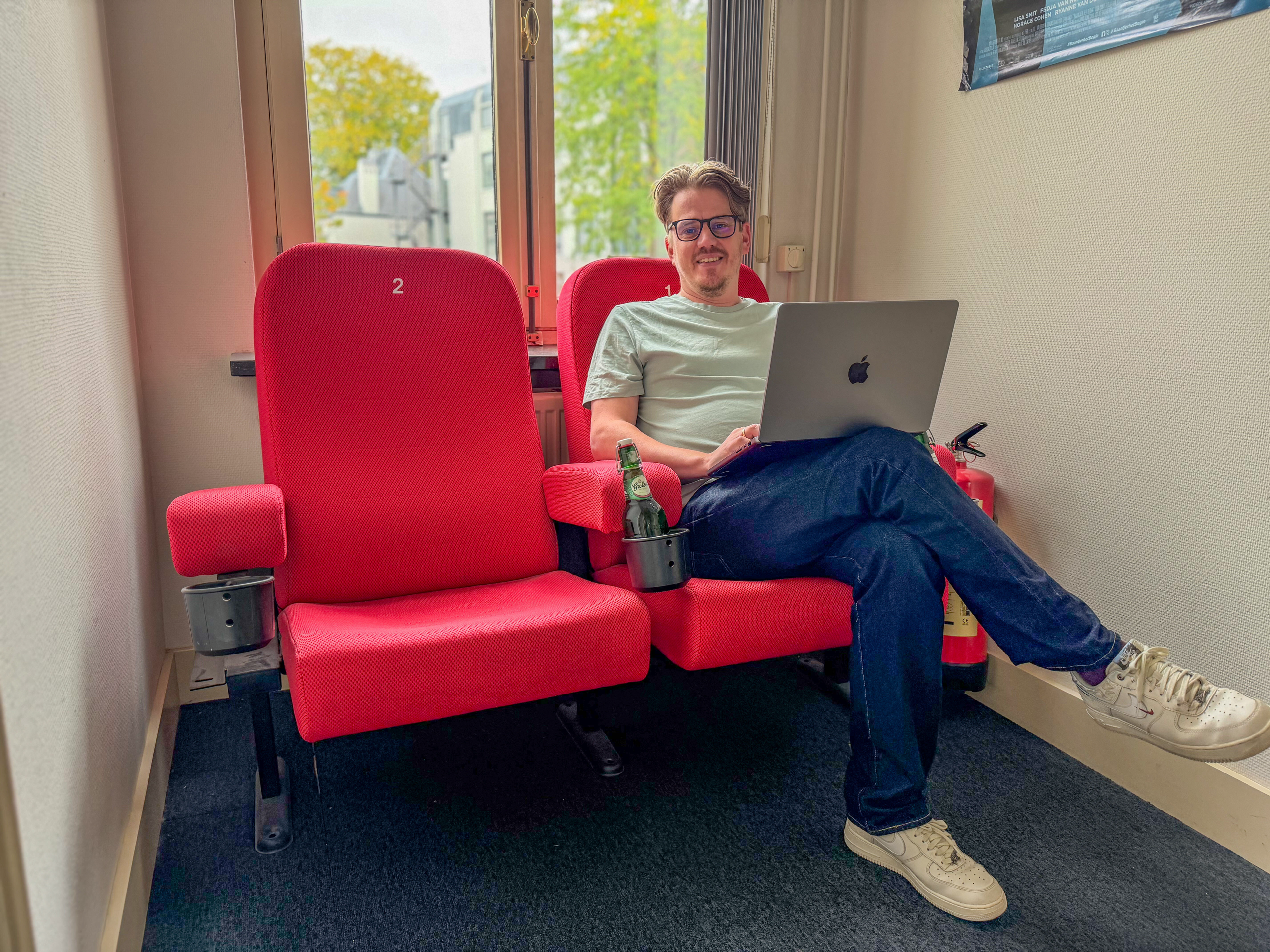
By Jerre Maas, co-founder livewall

From the first voting keypads to the wordcloud nobody wants to see anymore: fifteen years of audience interaction, livewall's own wrong turn, and why the answer lies in the concept again, not the platform.

Share & copy

Service

Engagement

Experiencias interactivas que captan atención, generan participación y crean conexión real.

Más sobre Engagement
Media item 1

Nobody wants another wordcloud

Audience interaction has gone from invention to obligatory checkbox in fifteen years. Not because the technology got worse, but because the market started optimizing for the wrong person.

Fifteen years ago, Eelco, Frits and I started the branch of livewall that would grow into LiveWall Events. We've watched this market rise, industrialize and flatten out from the inside, and got a few of those steps wrong ourselves. This is what we learned from it, and why we now do things differently than we did five years ago.

Back then, the phone was the party

In 2011 the standard was: voting keypads, Twitter fountains and SMS voting. Expensive, slow, and the venue had to be physically equipped for it. Then mobile internet arrived, everyone got a smartphone, and we saw an opportunity in interaction through the mobile browser.

That's how PresentersWall came about, essentially the predecessor of today's Kahoots and Mentimeters. Pulling out your phone to join in with what was happening on stage was, in itself, already the attraction. The content of the question barely mattered.

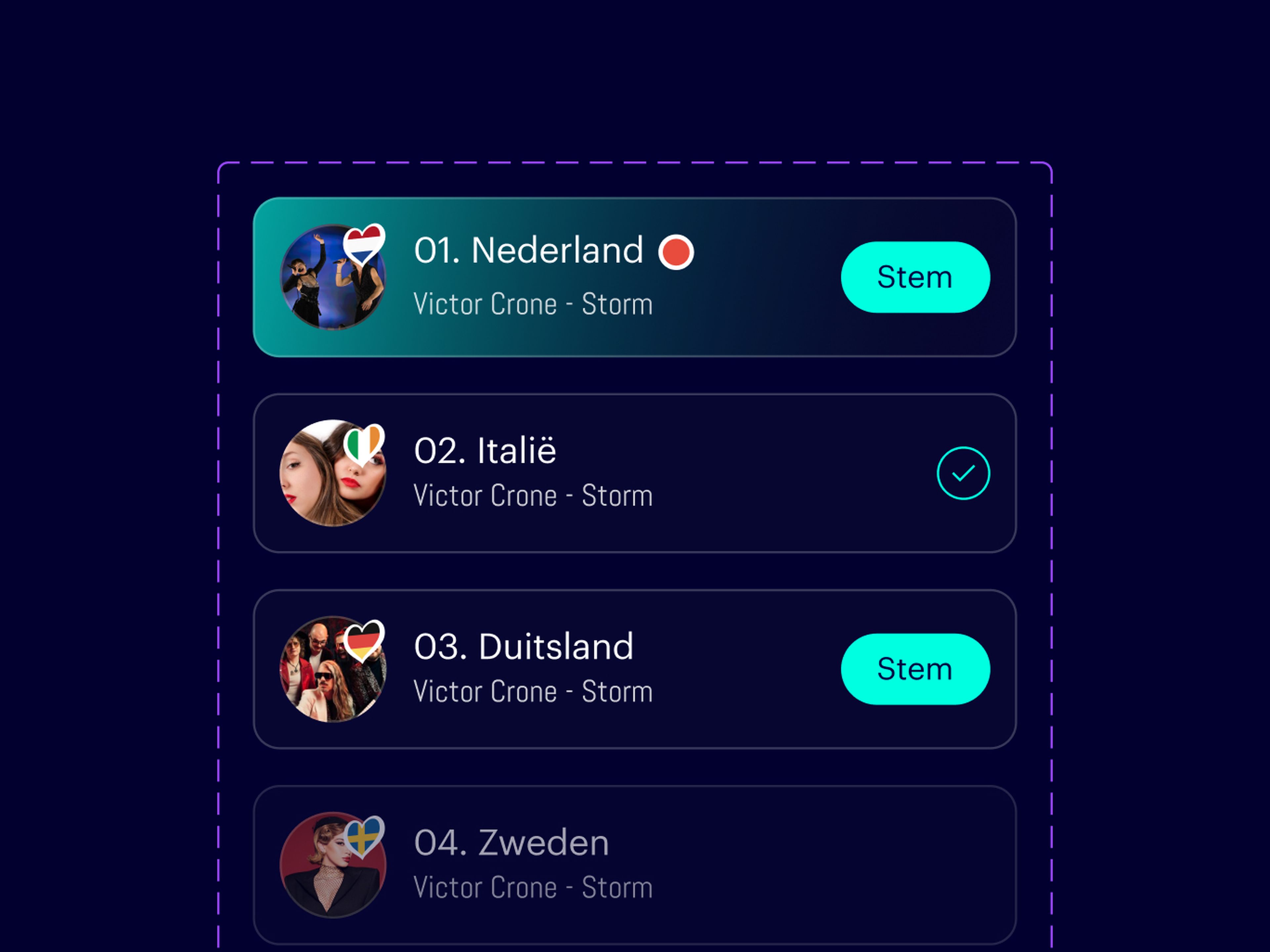
When Mentimeter and Kahoot went for the mass market, we chose a different path: increasingly unusual forms of interaction, with one rule, every job had to include something we'd never done before. Getting multiple cinema halls to quiz against each other? Why not. We've been doing that at Pathé since 2017, now with thousands of participants a year. Getting an entire football stadium to play along? Why not: 10,000 visitors join in every Ajax match at the Johan Cruijff ArenA. Playing along live with a TV show from your couch? Screw it, let's do it. At the Eurovision Song Contest for AVROTROS, with 150,000 simultaneous users.

Then the phone became the competitor

And then something shifted, gradually enough to miss while it was happening.

Your phone isn't an attraction anymore. It's the most powerful distraction machine ever built, and it's sitting in the pocket of everyone in your room. In 2011, interaction used the phone. Today, interaction has to win against the phone. Ask someone to log into a web app to type in a word, and you're competing with a group chat, a timeline and an inbox at that exact moment.

That's a completely different challenge. And the market hasn't kept up with it.

Media item 1
Media item 1
Media item 2

Why it became a commodity

You know the wordcloud by now. You've seen the poll three times already. People sigh when they have to pull out their phone yet again.

The easy explanation is saturation. But there's something more structural underneath it, and this is the core of my point: the tools in this market, ours included, have spent ten years optimizing for the organizer's convenience, not the audience's experience.

Look at where the features went. Creating a session faster. Templates. A dashboard with turnout percentages. Exports for the evaluation report. Improvement after improvement for the person running the event. For the 300 people in the room, almost nothing changed in ten years.

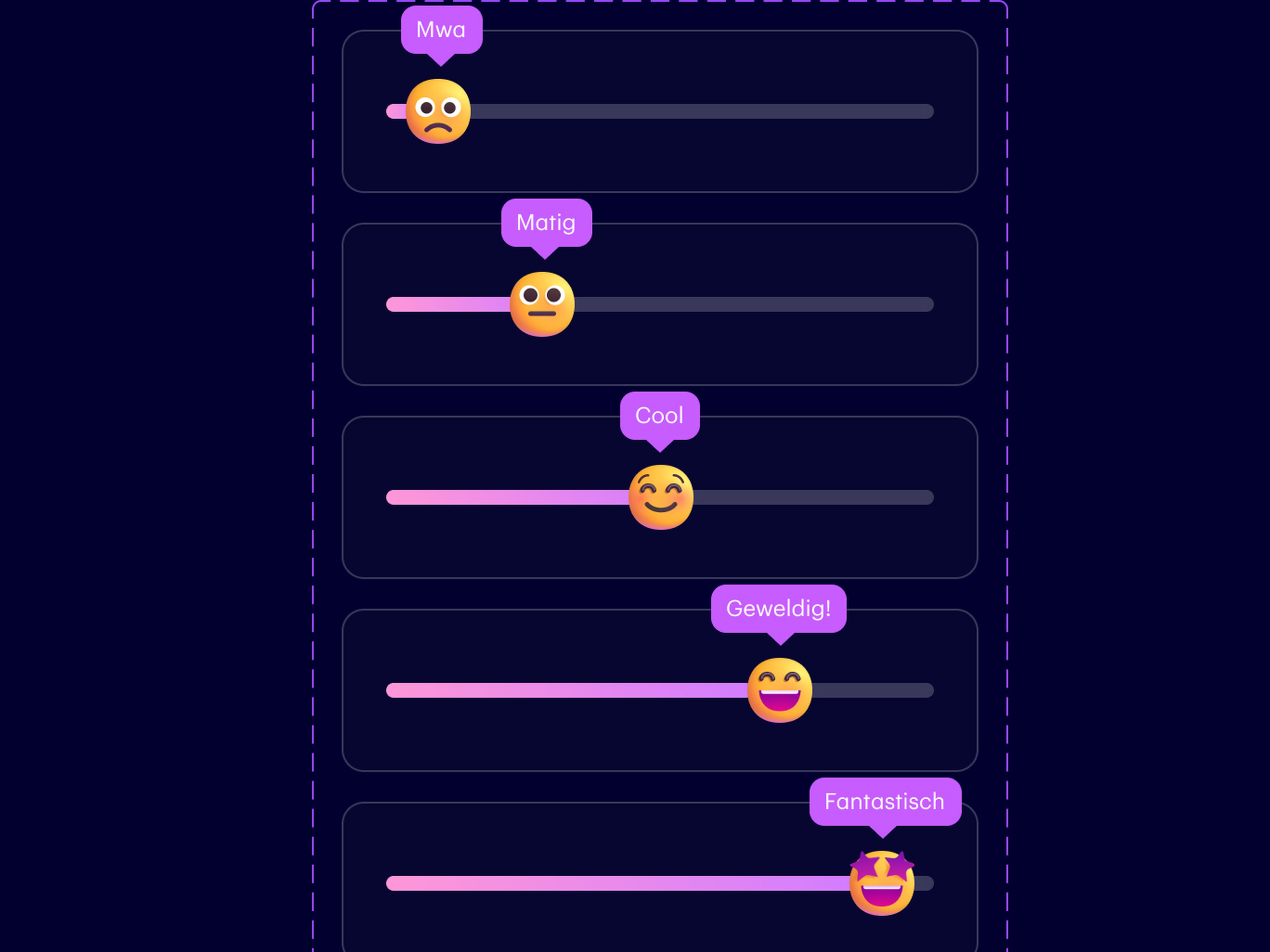
A wordcloud is fantastic if you want to show on a dashboard that there was interaction. For your audience, it's homework. And your audience senses that difference perfectly, even if nobody ever says it out loud.

Our own wrong turn

We gave exactly the wrong answer to that problem: building wide. Starting in 2019 we set that course, with Marc van Liere as product owner. Legal Voting for political parties, Fan of the Match for football clubs. Then evaluations, registration and a complete online event platform. One event system to rule them all.

It was built properly, and it worked. It just took two to three years to get everything truly up and running, and in the meantime the problem had already moved elsewhere. The market was stuck with long-running contracts: registration here, badges there, the app somewhere else entirely. A fragmented landscape of tools that didn't talk to each other, and nobody keen to overhaul it all at once.

But the real mistake was mine, and it was strategic. We spent three years expanding a system, while the problem was in the room, not in the system. We'd started competing with ourselves on the one front where we weren't the best. We're not a platform company. We're a concepts company.

What does work: once, for this one moment

So we went back to where we started in 2011: coming up with and building new concepts. Except now that can happen in three weeks instead of months, because AI has made the building itself cheap. That changes the math completely: a concept that fits your brand, your audience and your moment exactly now costs about the same as a standard module off the shelf.

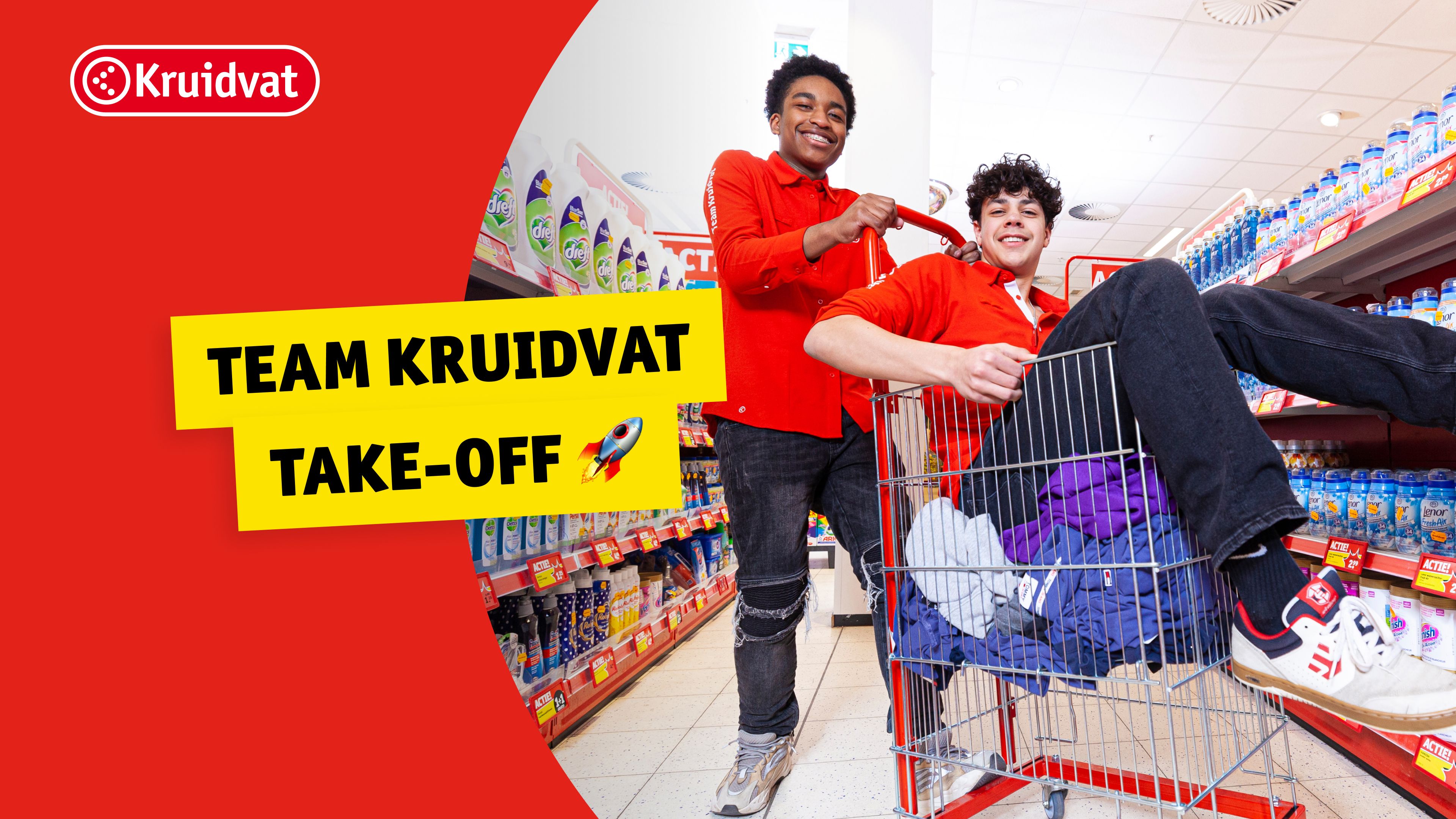
Take AS Watson. For Kruidvat we didn't build a quiz about the brand, but a GPS treasure hunt through Antwerp, where participants get to know the brand along the way instead of being lectured about it. The city is the playing field, the phone is the guide instead of the distraction, and the brand is woven into the route. That concept didn't exist, and would have been unaffordable for a single campaign five years ago.

We also build jukebox concepts where the room decides the setlist, networking matchmakers that pair people on real overlap instead of chance, and brainstorming tools that fit your own methodology. One-off, for this one moment.

To be clear: the wordcloud isn't the problem. We still sell it, the AI version, at least and rightly so, because sometimes a ten-second poll is exactly what you need. The problem is the wordcloud as the answer to the question "how do we make this interactive". Modules are building blocks. They're never the concept.


Media item 1
Media item 1
Media item 2
Media item 3

Building fast is easy. Staying up live isn't

I do need to add a warning here, one that applies to the whole market right now. Anyone can throw something together in a weekend these days that works on their own laptop. At events, that goes wrong at exactly the moment it can't afford to: live, once, with an audience present and no second chance.

That's why all our custom work runs on one solid architecture: our own platform, where we plug in new modules. The interaction is new every time; the foundation underneath it deliberately isn't. Scalability, security, real-time processing, fallbacks for when the venue's wifi drops out: that's fifteen years of solved problems you don't want to solve again on the night itself, with ten thousand people hitting the same button at the same time.

The test

If you take one thing away: the question is no longer which tool you use. That question's been answered, they all do roughly the same thing, and your audience knows that by now too.

The question is what your audience can still tell a colleague tomorrow, one who wasn't there. If the answer is "we did a poll", you have your answer.

Got a moment on the agenda that you want people to talk about afterward? Email me at jerre@livewallgroup.com, and I'll think it through with you for half an hour. Even if there's no concept yet, that's usually exactly the right moment.

Aquí es donde empieza lo interesante.

¿Listos para diseñar interacciones que se queden con tu marca? ¡Hablemos!